How do studios use predictive analytics to model box-office performance?
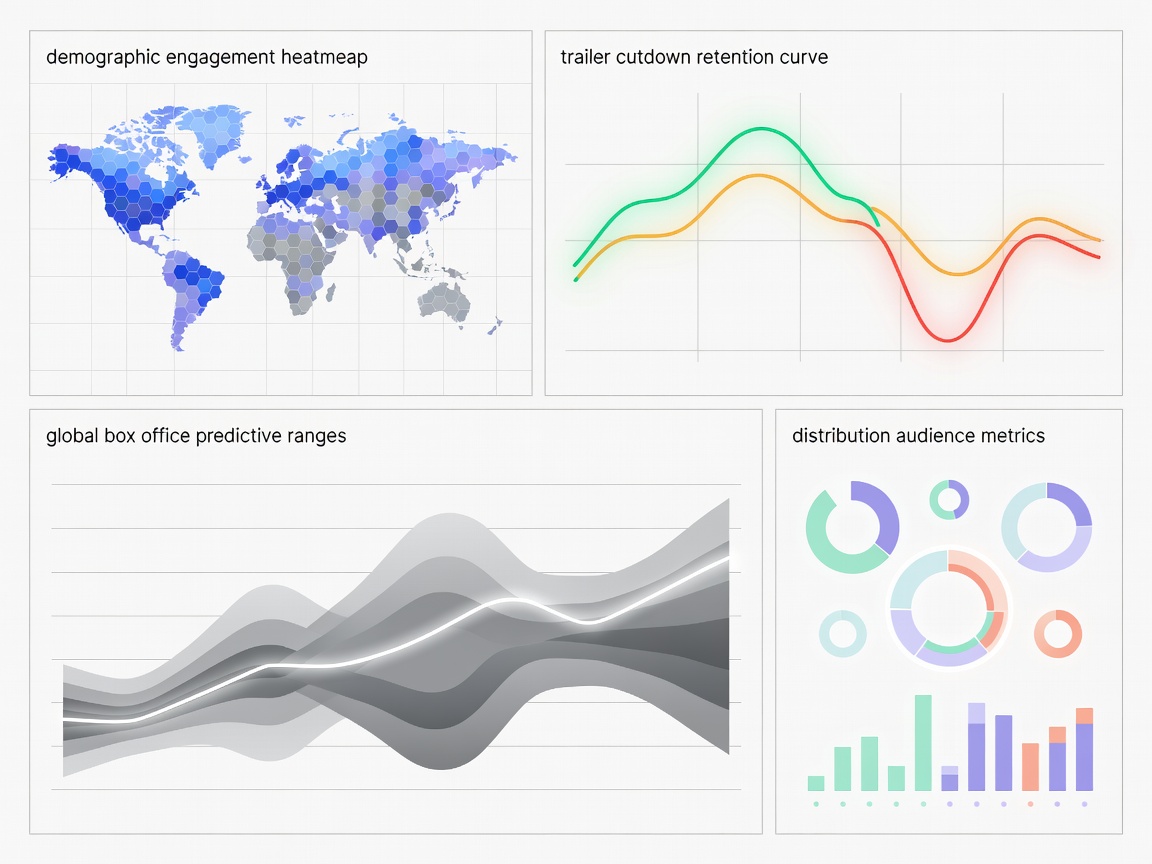
Studios use predictive analytics to model box-office performance by cross-referencing thousands of historical film release variables against current cultural and economic indicators. Rather than relying solely on producer intuition or rudimentary phone surveys, theatrical distributors evaluate historical genre performance, competitive theatrical slate crowding, seasonal calendar dynamics, star actor affinity scores, and digital engagement velocity.
These econometric models do not guarantee an unshakeable hit, but they evaluate risk boundaries across multiple release windows. A studio can simulate whether opening a psychological thriller in mid-autumn opposite two major animated tentpoles will cannibalize screen counts in premium large-format auditoriums. Distributors then adjust theatrical windowing agreements and marketing expenditure allocations accordingly.
How does computer vision analyze test screenings and viewer emotional responses?
Computer vision systems monitor test audience reactions in dark preview theatres by reading subtle facial micro-expressions via infrared camera sensors. In traditional test screenings, studios distribute paper question sheets after the lights come up. However, post-viewing surveys suffer from cognitive bias, group-think conformity, and the natural fading of immediate physiological reactions that occurred an hour earlier during the first act.
Infrared computer vision networks track involuntary facial markers across hundreds of viewers simultaneously throughout the entire screening. The software registers micro-expressions associated with genuine surprise, involuntary laughter, boredom, confusion, or aversion, linking those responses to the exact timecode of the film print. Editors can review second-by-second emotional retention curves to verify whether a suspenseful horror set piece generated the desired tension spike or if audience engagement drifted during an extended dialogue sequence.
How are promotional trailers and social teasers assembled by automated editing systems?
Automated trailer editing systems identify dramatic narrative hooks, action climaxes, and high-impact dialogue soundbites by analyzing visual composition, soundtrack stems, and facial expressions. Creating compelling two-minute trailers and dozens of distinct social media teasers usually requires boutique marketing editing houses to spend months combing through two hours of raw footage.
Computational editing algorithms ingest the master film along with its dialogue transcripts, musical stems, and sound effects tracks. The software identifies high-tempo visual cuts, character introductions, and memorable punchlines, automatically generating 15-second vertical video cutdowns optimized for mobile feeds alongside traditional horizontal widescreen promotional teasers. Human creative directors then refine the rhythm, select musical cues, and polish sound design before theatrical delivery.
What is algorithmic key art personalisation on digital streaming platforms?
Algorithmic key art personalisation is the real-time dynamic selection of film poster artwork displayed to a viewer based on their historical viewing habits and aesthetic preferences. If a subscriber frequently watches romantic dramas, the platform's recommendation engine may serve a poster thumbnail emphasizing the romantic relationship between the lead characters. If another user prioritises high-octane action thrillers, the system might display an explosion or car chase still from the very same motion picture.
Generative design tools enable marketing teams to produce hundreds of localized and aesthetic variants of official key art. By testing typography styles, colour saturation profiles, and character focus across different demographic territories, distributors maximise catalog discovery without altering the underlying film content itself.
What are the primary ethical concerns surrounding algorithmic audience engineering?
The primary concerns involve creative homogenisation, risk aversion, and audience data privacy. When theatrical financing decisions become overly dependent on algorithmic predictability, unconventional original stories that do not fit into established genre metrics risk being discarded by conservative studio financiers. Furthermore, the deployment of biometric surveillance and facial recognition tracking in commercial preview theatres raises significant privacy and consent questions that regulators across the UK, European Union, and North America continue to scrutinize.