Why has foreign-language film dubbing historically felt unnatural to audiences?
Foreign-language film dubbing has historically felt unnatural because human speech is intrinsically bound to physical visual anatomy and natural acoustic environment. When a film is translated traditionally, local voice actors record translated lines in an isolated studio booth. Translators must constantly compromise phrasing to match the visual syllable count and mouth flaps of the original performer, often creating stilted sentences that nobody would naturally utter.
Furthermore, an audience notices an immediate cognitive disconnect when an actor on a stormy North Sea fishing vessel speaks with the pristine, dry acoustics of a carpeted soundstage in Berlin or Madrid. The dissonance between the visual environment, the mismatched mouth movements, and the disjointed acoustic space pulls the viewer out of immersion, driving many filmgoers to prefer written subtitles over spoken local dubs.
How does neural cross-lingual voice cloning preserve an actor's authentic performance?
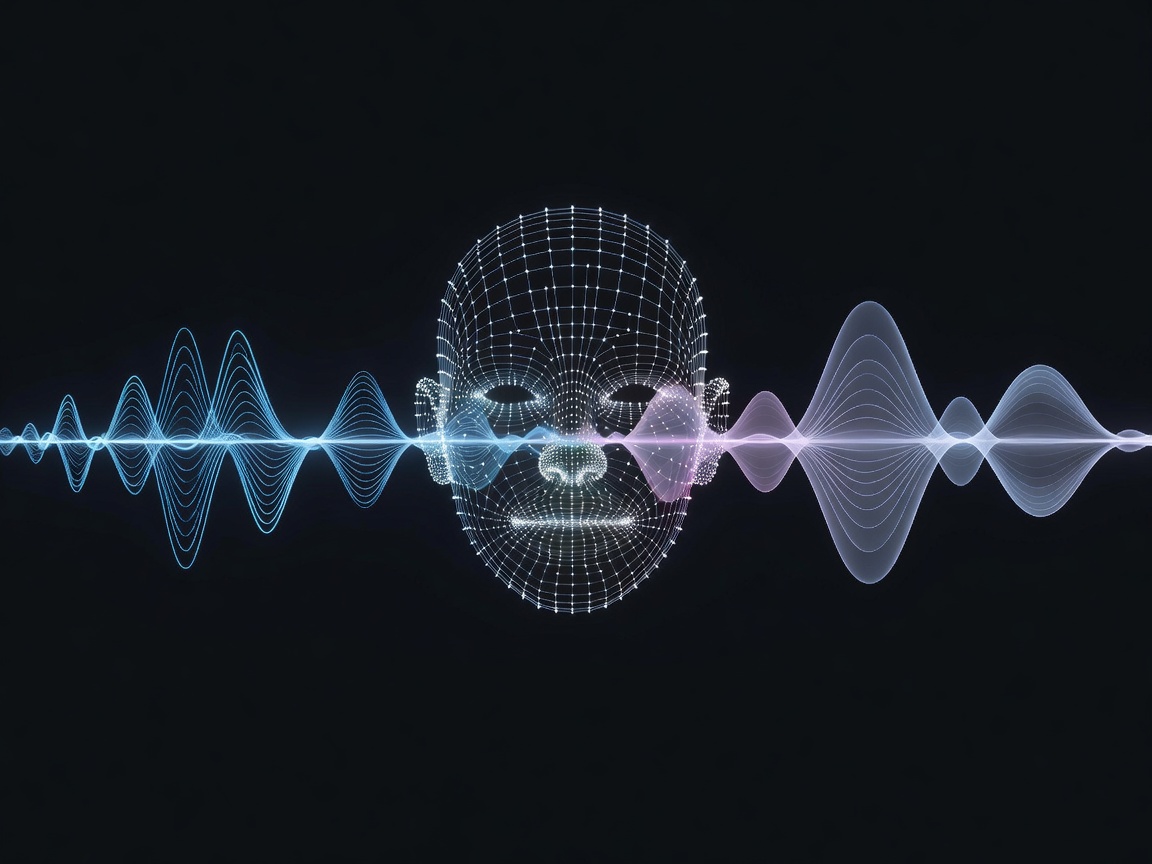
Neural cross-lingual voice cloning separates an actor's vocal identity—their unique harmonic frequencies, vocal tract resonances, and pitch range—from the linguistic content being spoken. Deep neural models isolate these vocal embeddings from the original production dialogue audio. The engine can then render translated text in French, Japanese, or Portuguese using the exact vocal fingerprint, rasp, breathiness, and emotional weight of the original Hollywood or indie actor.
Crucially, advanced models transfer expressive prosody: if an actor whispers frantically through tears in the English original, the neural synthesis model generates the foreign-language translation with the identical emotional stress, tempo shifts, and breath intakes. The international viewer hears the original performer deliver their lines in the local language, maintaining the dramatic integrity of the lead performance.
How does visual lip-synchronisation alignment solve the "mouth flap" problem?
Visual lip-synchronisation alignment uses neural face re-targeting to gently adjust the live-action actor's lower facial geometry so their lips move in exact phonetic synchronization with the translated audio. Rather than forcing the audio translator to invent contrived foreign sentences that mimic English mouth shapes, the script translator focuses entirely on poetic and idiomatic nuance.
Once the translated dialogue track is locked, a generative visual model analyses the phonemes of the new audio. It synthesises realistic muscular micro-movements for the jaw, lips, tongue, and cheek contours, blending seamlessly into the original photography. The actor appears to have physically performed the scene in the foreign tongue on set, completely eliminating the jarring mismatch between sound and image.
What is automated dialogue replacement (ADR) and how does AI accelerate it?
Automated dialogue replacement is the post-production process where actors re-record flawed dialogue that was compromised by on-set background noise, wind machines, or generator hum. In standard studio workflows, securing an A-list actor to return to a sound studio months after filming concludes is notoriously difficult and expensive, requiring schedule coordination across multiple continents.
AI-driven ADR tools allow sound editors to clean compromised audio without requiring full actor re-recordings. Neural speech separation algorithms can isolate the performer's dialogue from thunderous airplane noise or practical rain towers with pristine clarity. When dialogue lines must be altered for story clarity or censorship ratings, a licensed voice model of the actor can synthesize the required replacement syllables, perfectly matched to the acoustic reverberation of the original shooting location.
How do acoustic matching algorithms simulate the physical space of a film set?
Acoustic matching algorithms estimate room impulse response (RIR) directly from the visual camera feeds and background audio cues to recreate natural reverberation. When synthetic dialogue is inserted into a scene, it must reverberate identically to the physical geometry on screen—whether that is a cavernous marble church, a claustrophobic concrete cellar, or a snow-covered forest meadow.
Neural spatial acoustic models calculate wall reflectivity, distance attenuation, and ambient background noise floors. The clean synthesized speech is processed through virtual convolution filters that match the exact spatial depth and microphone placement of the original boom mic, ensuring that synthesized or dubbed lines blend into the theatrical Dolby Atmos mix without drawing unwanted sonic attention.